Introduction
Swimming is one of the most effective activities for building lifelong physical health and *water confidence*. In Ufa — with its long winters, numerous indoor pools, and active community sports culture — regular swimming lessons and practice can boost cardiovascular fitness, motor development, mental well‑being, and safety skills for both children and adults.
Why water confidence matters
— Safety: Confident swimmers are less likely to panic and more able to respond calmly in unexpected water situations.
— Skill progression: Confidence speeds learning—students who relax in the water acquire strokes and breathing patterns faster.
— Lifelong participation: Enjoyment and comfort in water increase the likelihood of continued exercise and recreational swimming.
Physical and developmental benefits of consistent practice
— Cardiovascular health: Swimming is a low‑impact, full‑body aerobic workout.
— Strength and coordination: Regular sessions develop core stability, limb strength, and motor coordination.
— Flexibility and posture: Water resistance encourages range of motion and balanced muscle use.
— Mental health: Exercise in water reduces stress, improves mood, and can help sleep quality.
— For children: Enhances neural development, social skills, and gross motor milestones.
Step‑by‑step approach to building water confidence
1. Create a positive first experience
— Begin in shallow, warm pool areas.
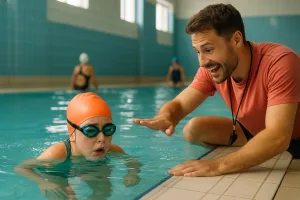
— Use playful games and parent participation for young children.
2. Teach water acclimation skills
— Blowing bubbles, face‑in‑water play, submersion practice in short, supported bursts.
3. Introduce buoyancy and balance exercises
— Floating on back, kicking with support, streamline glides.
4. Combine breathing and propulsion
— Practice rhythmic breathing with kicks and short stroke drills.
5. Gradual exposure to independence
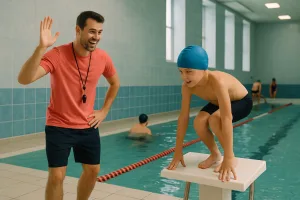
— Move from instructor/parent support to brief unassisted swims, always with safety supervision.
6. Reinforce with repetition and positive feedback
— Celebrate small wins; consistent, short sessions beat infrequent, long ones.
Sample consistent practice plan
— Beginners (children/adults): 2× per week, 30–40 minutes per session for 8–12 weeks.
— Intermediate learners: 3× per week, 45–60 minutes per session with focused drills.
— Maintenance/fitness swimmers: 2–4× per week, 45–60 minutes with mixed aerobic sets and technique work.
Tip: Consistency matters more than intensity. Aim for regular attendance and gradual progression.
Choosing a swim school or coach in Ufa
Look for:
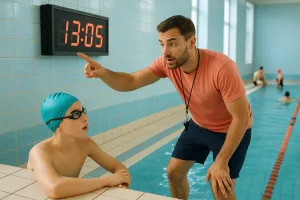
— Certified instructors (swim coaching, first aid, lifeguard training).
— Small group sizes or individual lessons for focused attention.
— Warm, child‑friendly pool areas and clear safety protocols.
— Structured curriculum that balances play, skills, and technique.
— Transparent pricing and trial lessons.
Questions to ask:
— What is your instructor-to-student ratio?
— Do you teach rescue and water-safety skills?
— How do you assess progress and move students between levels?
— Are there indoor pool options available year‑round?
Local note: Ufa has municipal sports complexes, private swim clubs, and children’s centers with pools — compare schedules and visit facilities to observe a lesson before enrolling.
Safety and health considerations
— Medical check: Consult a doctor if you or your child has chronic health issues or recent injuries.
— Hygiene: Shower before entering the pool; ensure the facility follows water‑quality standards.
— Temperature: Young children benefit from warmer water (around 30–32°C).
— Supervision: Never leave non‑swimmers unattended; even confident swimmers need a buddy.
— Rest and recovery: Avoid overtraining—watch for fatigue, ear infections, or skin irritation.
Practical tips for parents and adult learners
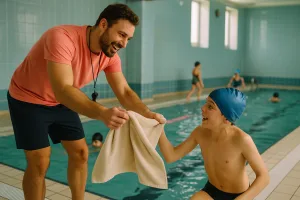
— Bring essentials: swimwear, towel, swim cap, goggles, plastic bag for wet items.
— Use progress tracking: short videos, written notes, or instructor feedback to monitor improvement.
— Pair lessons with home practice: dryland exercises for core and flexibility help transfer to the water.
— Stay patient and positive: setbacks are normal; celebrate small milestones.
— Join local swim groups: social practice boosts motivation and consistency.
Conclusion
In Ufa, consistent swimming practice is a practical, year‑round way to develop water confidence and improve physical health for people of all ages. Prioritize regular lessons with qualified instructors, focus on gradual progression, and keep safety front and center. With steady practice, swimmers become stronger, calmer, and more capable in and out of the water — a payoff that lasts a lifetime.
If you’d like, I can help draft a checklist to compare Ufa swim schools or create a 12‑week beginner practice plan tailored to a child or adult.