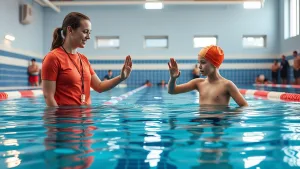
Why swimming matters in Ufa — beyond a summer skill
Swimming is more than a seasonal pastime — it’s a life skill that builds safety, confidence and long-term health. In Ufa, where families seek year-round activities that promote strength and resilience, regular swim practice offers cardiovascular conditioning, muscle development, coordination and a calm confidence in and around water.
*Consistent practice* turns fearful paddlers into competent swimmers, and casual swimmers into athletes. The process benefits children and adults alike: improved posture, better lung capacity, reduced injury risk, and increased emotional well‑being.
Key benefits of regular swim practice
— Physical health: full‑body low‑impact workout, better cardiovascular fitness, lean muscle development.
— Motor skills and coordination: cross‑body movements improve balance and neural development, especially in children.
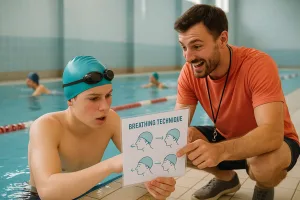
— Breath control & lung health: regular breath work supports endurance and respiratory resilience.
— Water safety & independence: practical survival and rescue-ready skills.
— Mental health: reduced stress, improved sleep, increased self‑esteem.
Building water confidence — age‑appropriate steps
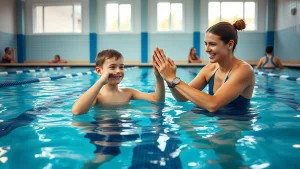
— Infants and toddlers (parent‑and‑child classes): focus on positive, fun exposure; gentle submersion drills; games that normalize water sensations.
— Preschoolers: separation from parents in small groups, basic floats, blowing bubbles, introductory kicking and arm movements.
— School‑age children: structured technique work (freestyle, backstroke), breath control, endurance sets, safe entry/exit, treading water.
— Teens and adults: stroke refinement, interval training, strength and flexibility work, and confidence drills like deep‑water entries and survival floating.
Emphasize *progression at the learner’s pace*: small, regular wins beat occasional long sessions.
What consistent practice looks like
— Frequency:
— Beginners/young children: 1–2 sessions/week to begin; increase to 2–3 for steady progress.
— Intermediate learners: 3 times/week for skill consolidation.
— Competitive or fitness swimmers: 4–6 times/week with varied intensity.
— Typical session structure (45–60 minutes):
— Warm‑up (5–10 min): light dryland mobility + easy laps.
— Skill block (20–30 min): drills focused on technique (breathing, kick, pull, streamline).
— Endurance/pacing (10–15 min): longer laps, intervals or games that build stamina.
— Cool‑down & play (5 min): gentle stretches and positive reinforcement.
— Consistency tip: short, frequent sessions are more effective than infrequent long ones. Aim for rhythm rather than intensity at the start.
Choosing a swim program in Ufa — what to look for
— Certified instructors with experience in child development and safety.
— Small group sizes for personalized attention.
— Clear safety protocols: lifeguard presence, emergency plans, water temperature control.
— Transparent progression plans and regular feedback for parents/learners.
— Clean facilities and up‑to‑date hygiene practices.
— Opportunities for dryland/strength work and seasonal continuity (indoor pools for winter).
When in doubt, ask for a trial lesson and watch how instructors handle nervous swimmers and praise progress.
Complementary training to accelerate progress
— Dryland mobility and core strengthening (planks, squats, shoulder mobility).
— Breath control exercises outside water: diaphragmatic breathing, timed exhalations.
— Flexibility work for shoulders and hips to improve stroke efficiency.
— Light resistance and plyometric work for older kids and adults to build power.
Safety and health considerations
— Consult a pediatrician or doctor before beginning intense training for children with medical concerns.
— Use flotation aids only as training tools — never a substitute for supervision.
— Teach practical survival skills early: safe entry, floating on back, and how to reach help.
— Ensure up‑to‑date pool hygiene and closure policies (important during cold/flu seasons).
Measuring progress — beyond lap times
— Confidence markers: willingness to enter deep water, attempt new drills, and swim without constant support.
— Skill markers: steady breath rhythm, efficient kicks, pull pattern, and smoother turns/starts.
— Endurance markers: longer continuous swims, improved recoveries between intervals.
— Keep a simple log: date, drills practiced, what improved, and one focus for the next lesson.
How the community in Ufa can support swimmers
— Encourage year‑round swimming through school partnerships with local pools or sports schools (ДЮСШ).
— Promote parent education workshops on water safety and home practice ideas.
— Support accessible, affordable swim programs so more children gain early exposure.
Conclusion — start small, be steady, celebrate growth
In Ufa, consistent swim practice builds more than technique: it grows confidence, resilience and lifelong health. Start with a supportive program, set achievable frequency goals (2–3 times/week for beginners), and focus on steady, measurable progress. With patient, regular practice, water becomes a place of strength — not fear.
If you’d like, I can draft a short checklist for selecting a local pool or a sample 8‑week practice plan tailored for beginners. Which would you prefer?