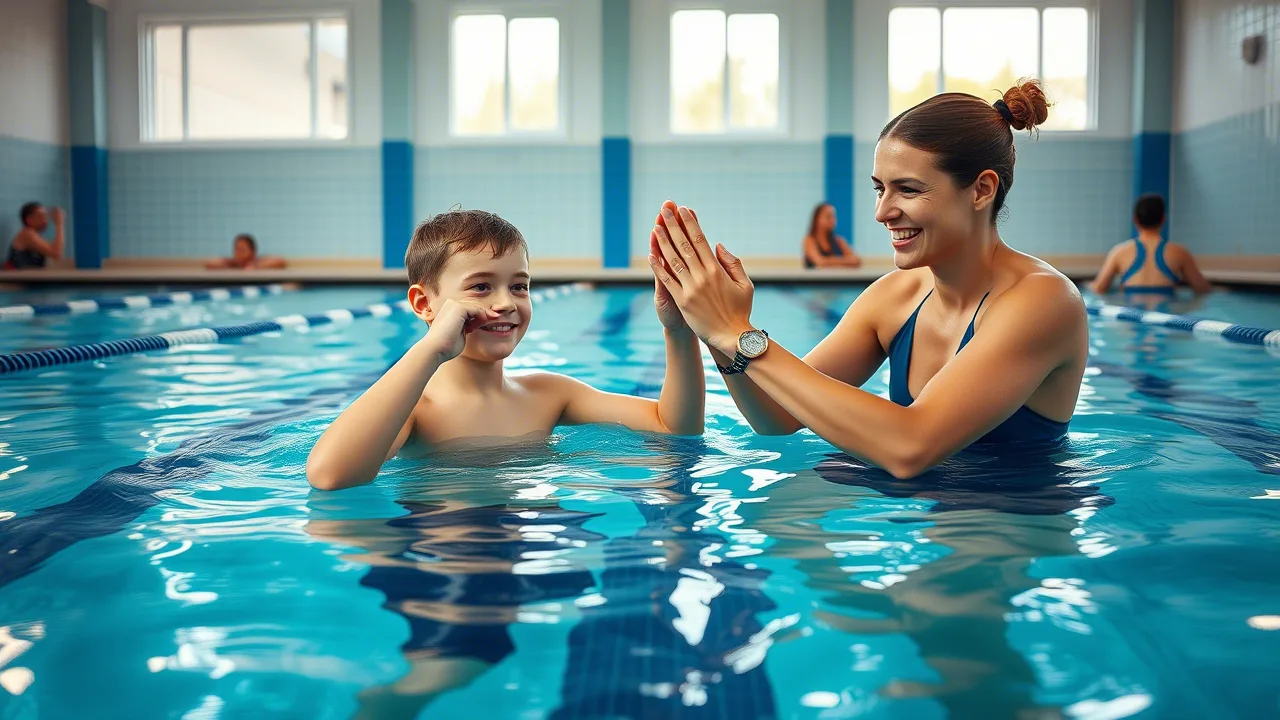
Building Water Confidence and Lifelong Health in Ufa
Swimming is more than a skill — it’s a pathway to improved physical health, greater self-confidence around water, and long-term safety. In Ufa, with its cold winters, nearby rivers and reservoirs, and a strong sporting tradition, structured and consistent swim practice is especially valuable. Whether you’re introducing a toddler to the pool, helping a schoolchild progress, or returning to exercise as an adult, a steady routine produces reliable results.
Why consistent practice matters
— Physiological gains accumulate: cardiovascular fitness, muscular strength, flexibility, and lung capacity improve gradually with repeat sessions.
— Motor learning and technique: repetition converts coached movements into automatic, efficient swimming patterns.
— Water confidence grows step-by-step: regular, predictable exposure reduces fear and builds trust in one’s abilities.
— Injury prevention and joint-friendly exercise: swimming provides low-impact conditioning for all ages.
— Safety: frequent practice increases survival skills and lowers drowning risk — crucial near the Belaya River and local reservoirs.
Key benefits of swimming for Ufa residents
— *Year-round training options* thanks to indoor pools during long winters.
— *Whole-body fitness* — core, back, legs and shoulders all engaged.
— *Mental wellbeing* — stress reduction, better sleep, improved mood.
— *Social opportunities* — group lessons, clubs and masters programs in the city.
— *Practical safety* — skillful swimmers are safer at beaches, riverbanks and on boats.
How consistent practice builds water confidence: a practical progression
1. Acclimation (familiarization)
— Entering the water, face wetting, gentle submersion, blowing bubbles. Short, frequent sessions (10–20 min) for beginners and young children.
2. Buoyancy and floating
— Supported and independent floating on back and front; trust exercises with instructor/parent.
3. Breath control and rhythmic exhalation
— Blowing bubbles, rhythmic breathing drills, side-breathing practice.
4. Basic propulsion and coordination
— Kicking drills, arm-sweep basics, combined arms & legs short glides.
5. Stroke refinement and endurance
— Technique sessions, interval training, longer continuous swims.
6. Open-water readiness and safety skills
— Treading water, controlled fatigue drills, safe entry/exit practices for reservoirs and riverbanks.
Sample weekly plans (consistent, realistic, effective)
— Toddlers (6 months–3 years): 1–2 sessions/week, 20–30 minutes, parent-child classes focusing on comfort and basic skills.
— Children (4–12 years, beginners): 2 sessions/week, 30–45 minutes; progress to 3 sessions as skills improve.
— School-age (intermediate/advanced): 3–5 sessions/week, 45–75 minutes, mix of technique + endurance sets.
— Adults (fitness/learners): 2–4 sessions/week, 30–60 minutes. Start gentle, increase intensity gradually.
— Seniors/rehab: 2–3 sessions/week, 30–45 minutes, emphasize mobility, balance and aerobic base.
Consistency tip: aim for at least 8–12 weeks of uninterrupted practice to see measurable gains in technique and fitness.
Practical training tips and drills
— Warm up on land: dynamic stretches and shoulder mobility for 5–10 minutes.
— Pool warm-up: easy swim + drills (kicking with board, single-arm strokes).
— Focused drills: catch-and-pull, kicking sets with fins, bilateral breathing practice.
— Interval training: short repeats with rest to build speed and aerobic capacity.
— Dryland add-ons: core work, flexibility, and breathing exercises to accelerate progress.
— Use simple aids: goggles, swim cap, fins, kickboard, pull buoy — but reduce reliance as skill improves.
Choosing the right program in Ufa
— Look for certified coaches and structured curricula — ask about instructor qualifications and child-to-coach ratios.
— Check pool conditions: water temperature, cleanliness, lifeguard presence, and hours that fit your schedule. Indoor pools are essential in winter; outdoor/open-water training can be seasonal.
— Try a trial lesson before committing; observe how instructors build confidence rather than push fear.
— Consider class format: parent-child for infants, small-group for technique-building, private lessons for fast progress or special needs.
— Community resources: local sports schools, municipal pools and private academies all offer different price/quality options — compare schedules and reviews.
Safety considerations specific to Ufa
— During winter, prefer heated indoor pools for learning and fitness.
— For open-water swims (Belaya River, reservoirs), check temperature, currents, water quality, and presence of lifeguards before entering. Avoid unsupervised or unmarked areas.
— Always supervise children near water, even if they are taking lessons.
— Keep up hygiene rules of pools: shower before entering and follow facility guidance.
Measuring progress
— Track milestones (floating independently, 25–50 m without stopping, mastering strokes).
— Use timed swims and incremental increases in lap count for endurance.
— Note health outcomes: resting heart rate, sleep quality, posture, and ease of movement.
— Celebrate confidence milestones — fewer anxieties, relaxed breathing, comfortable submersion.
Final thoughts
Consistent swimming practice is an investment that pays off in physical health, mental resilience and safety — particularly for Ufa residents who navigate both indoor-season training and nearby natural waters. Start small, choose a qualified program, keep sessions regular, and prioritize enjoyment. In a few months you’ll see measurable improvements in technique, fitness and comfort in the water.
Ready to start? Book a trial lesson this week, or schedule two short sessions per week for the next two months — consistency beats intensity for lasting gains.