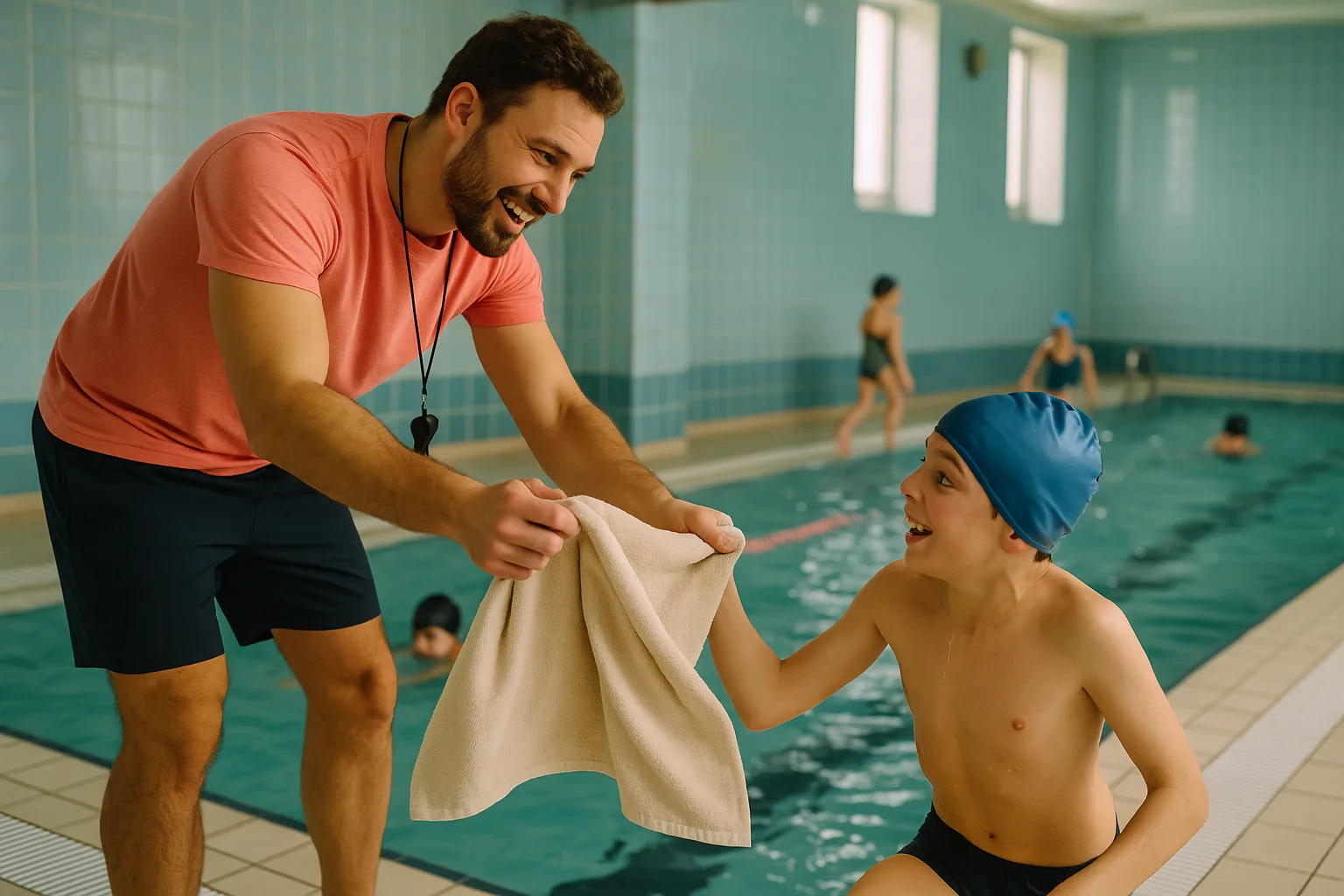
Introduction
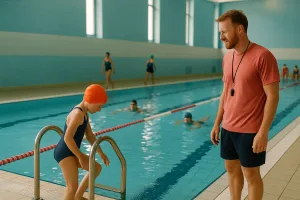
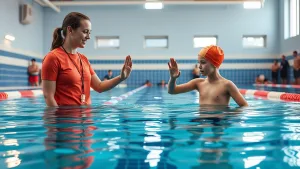
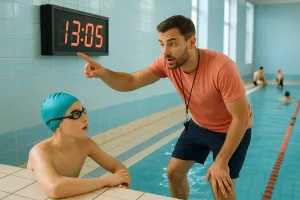
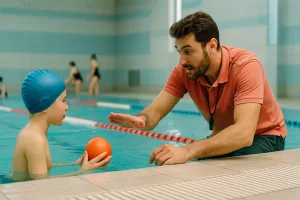
Swimming is more than a life skill — in Ufa’s continental climate, with long winters and a strong local sports culture, it becomes a year‑round way to build confidence, resilience, and physical health. Consistent practice, guided by qualified instructors, transforms tentative splashing into efficient strokes and measurable fitness gains for children and adults alike.
Why consistent practice matters
— *Neural and motor learning*: Repetition cements coordination, breathing patterns, and stroke mechanics.
— *Progressive confidence*: Small, regular wins reduce fear of water and build self‑efficacy.
— *Health benefits compound*: Cardiovascular fitness, lung capacity, muscle tone and flexibility improve steadily with routine sessions.
— *Safety*: Regular exposure to water and guided training reduce drowning risk and teach safe behavior around pools and open water.
Key benefits for Ufa residents
— Cardiovascular conditioning with low joint impact — ideal during and after active work seasons.
— Enhanced respiratory function — helpful in a region with seasonal changes and indoor sports culture.
— Improved posture and core strength — valuable for children developing motor skills and adults combating sedentary lifestyles.
— Mental well‑being and stress relief — indoor pools offer a calm, controlled environment during Ufa’s long winters.
— Social skills and teamwork through group classes — useful for children and adults seeking community activities.
Stages of water‑confidence development
1. *Acclimation (1–4 weeks)*: Entering the water, submersion tolerance, basic breath control, supported floating. Emphasis on play and trust.
2. *Foundations (1–3 months)*: Independent floating, kicking on front/back, rhythmic breathing, short glide and push‑offs.
3. *Technique building (3–6 months)*: Introduction of coordinated arm strokes, continued breathing practice, basic stroke mechanics (freestyle, backstroke).
4. *Endurance & refinement (6+ months)*: Continuous laps, turns, improved efficiency, endurance sets, possibly competitive or lifesaving skills.
Recommended practice frequency
— Beginners: 2 sessions/week (30–45 minutes) to form habits and avoid fatigue.
— Intermediate: 3 times/week (45–60 minutes) to consolidate technique and build endurance.
— Advanced/competitive: 4–6 times/week with structured dryland work and technique sessions.
Sample 45‑minute lesson plan (children or adult beginner)
— 0–5 min: Warm‑up on deck (mobilization, breathing exercises)
— 5–15 min: Pool acclimation and breathing drills (bubble blowing, face submersion)
— 15–25 min: Floating and kicking practice with support (kickboard or instructor)
— 25–35 min: Short glides and introduction to arm movement
— 35–40 min: Fun skills or games to reinforce learning
— 40–45 min: Cool‑down, stretching, feedback and goals for next session
Safety and selecting the right program in Ufa
— Choose instructors with recognized certification and first‑aid training.
— Prefer small group sizes (max 4–6 for beginners) or private lessons for strong water fear.
— Verify pool hygiene, water temperature, and depth appropriate for age and skill.
— Ask about lifeguard presence and emergency procedures.
— For children, prioritize programs that include parent‑observation or parent‑participation options in early stages.
Tailoring programs by age
— Infants/toddlers: Parent‑and‑child classes focus on comfort and basic water handling.
— Preschool/primary school: Playful structure with clear progression toward independent swimming.
— Teens: Technique emphasis, conditioning, and social engagement.
— Adults and seniors: Low‑impact cardio, flexibility work, and confidence‑building at a comfortable pace.
Tracking progress: realistic milestones
— 1 month: Comfortable entering water, blowing bubbles, assisted floating.
— 3 months: Independent floats, basic kicks, brief underwater breath control.
— 6 months: Continuous 25–50 m of a basic stroke with coordinated breathing.
— 12 months: Efficient 200–400 m swim, good technique and robust water safety awareness.
Practical tips for Ufa families and individuals
— Book consistent lesson slots—same day/time each week to build routine.
— Complement pool work with light dryland core and mobility exercises.
— Use swim logs or brief videos to track form and celebrate milestones.
— In winter, seek indoor pools with stable temperatures to avoid interruptions.
— If moving toward competition or lifesaving, choose coaches with a track record in those areas.
Conclusion
For Ufa residents, swimming is an accessible, year‑round pathway to stronger bodies, calmer minds, and vital life skills. The secret is consistency: regular, structured practice under caring instruction turns anxiety into confidence and occasional exercise into lasting health. Start small, commit to routine sessions, and you’ll see measurable gains in water confidence and physical well‑being within months.
For a next step: contact local swim schools or municipal sports centers in Ufa, ask about trial lessons, instructor credentials, group sizes, and treatment plans tailored to your or your child’s goals.