Introduction
Swimming is more than a sport — it’s a life skill, a form of therapy, and a comprehensive workout. In Ufa’s continental climate, indoor aquatic programs play a vital role year-round, helping children and adults develop water confidence, improve physical health, and cultivate habits that last a lifetime. This article explains how structured swimming education and consistent practice produce measurable benefits and offers practical guidance for families and individuals in Ufa.
Why swimming matters
— *Water confidence = safety*: Familiarity with water reduces fear and improves survival skills.
— *Whole-body fitness*: Swimming builds cardiovascular endurance, strength, flexibility, and coordination with low impact on joints.
— *Mental and social benefits*: Lessons boost self-esteem, reduce anxiety, and foster teamwork and discipline.
— *Lifelong access*: Once learned, swimming can be enjoyed at any age and adapted to fitness goals or competitive aims.
Building water confidence: progression and principles
1. Start where the learner is
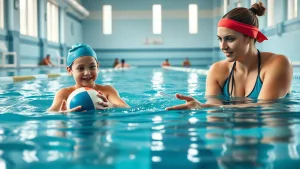
— Parent-and-baby classes for infants to develop comfort through gentle exposure.
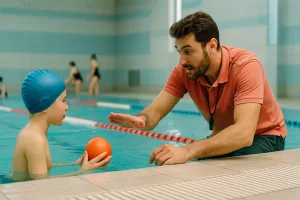
— Play-based sessions for toddlers to associate water with safety and fun.
— Structured, technique-focused lessons for school-aged children and adults.
2. Use gradual exposure
— Submersion and breath control exercises introduced incrementally.
— Familiar, repeated routines reduce stress and increase predictability.
3. Positive reinforcement
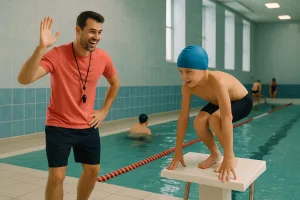
— Celebrate small wins (floating, a stroke, independent kicking).
— Avoid pressure; confidence grows faster when learning feels safe and achievable.
4. Teach survival skills early
— Floating, treading water, and safe entries/exits are as important as stroke technique.
Developing physical health through consistent practice
— Cardiovascular fitness: Regular swim sessions improve heart and lung capacity.
— Strength and endurance: Water resistance builds muscular tone across many muscle groups.
— Mobility and posture: Swimming supports spinal alignment and joint range of motion.
— Motor development: For children, swimming enhances coordination, timing, and proprioception.
— Recovery and rehabilitation: Low-impact aquatic exercise accelerates recovery from injuries.
Recommended frequency and progression
— Beginners (all ages): 2 sessions/week for 30–45 minutes to establish routine.
— Intermediate learners: 3 sessions/week including technique drills and endurance sets.
— Advanced/competitive: 4–6 sessions/week with strength and dryland training.
— Track progress monthly; small, consistent improvements compound into major gains over 6–12 months.
Practical training ideas and session structure
— Warm-up (5–10 min): gentle swimming or mobility in shallow water.
— Skill block (15–20 min): focused drills — breath control, kick sets, stroke mechanics.
— Main set (10–20 min): continuous swims tailored to fitness/age (intervals for older learners).
— Cool-down (5 min): easy swimming and stretching in the water.
— Weekly variety: one technical session, one endurance session, one playful or game-based session for kids.
Choosing the right program in Ufa
— Types of providers: municipal pools, private swim schools, sports clubs, recreational centers.
— What to check:
— Instructor credentials (swim coaching, lifeguard, first aid/CPR).
— Group sizes and age-appropriateness.
— Water temperature, hygiene records, and pool maintenance.
— Trial lessons and clear progression plans.
— How to find options: search “бассейн Уфа,” visit local community centers, ask pediatricians or sports teachers for recommendations, and read parent reviews.
Safety and hygiene
— Prioritize certified instructors and on-deck lifeguards.
— Confirm emergency procedures and first-aid availability.
— Check pool water quality and locker-room cleanliness.
— Teach and enforce simple rules: shower before entering, no running, swim with supervision for young children.
— Encourage regular health checks and vaccination updates where applicable.
Tips to keep practice consistent
— Set a weekly schedule and book recurring lessons.
— Make sessions enjoyable — mix games, music, and goals.
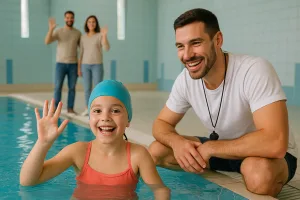
— Track small milestones (float independently, 25 m swim) and celebrate them.
— Combine swim practice with balanced sleep, nutrition, and complementary dryland exercises (core work, flexibility).
— Use the Ufa off-season advantage: indoor pools allow uninterrupted training through the cold months.
For parents and adult learners: realistic expectations
— Progress varies by age, temperament, and starting fitness. Expect gradual gains.
— Focus on technique and safety first. Speed and distance come later.
— Consistency beats intensity — regular moderate sessions produce sustainable results.
Conclusion and next steps
Swimming in Ufa offers a safe, effective path to water confidence and improved physical health when guided by qualified instructors and supported by consistent practice. Start with a trial lesson, choose a program that matches your goals, and commit to a schedule — even small, regular efforts lead to powerful, lasting benefits. Search local pools or ask community sports centers in Ufa to find the right fit and begin building a healthy relationship with water today.