Growing Water Confidence and Physical Health in Ufa: The Power of Consistent Swimming Education
Introduction
Swimming is more than a life skill — it’s a foundation for lifelong health, confidence, and social development. In Ufa, where community pools, sports clubs, and recreational centers are accessible to families and adults, structured and consistent swimming education can transform how people move, feel, and connect. This article explains why regular practice matters, how water confidence develops, and practical steps for parents, learners, and coaches in Ufa to get the most from swim programs.
Why swimming matters
— *Safety*: Swimming reduces the risk of drowning and improves water awareness.
— *Holistic fitness*: It builds cardiovascular endurance, strength, flexibility, and coordination without heavy joint impact.
— *Mental health*: Regular water activity lowers stress, increases mood-regulating chemicals, and boosts self-esteem.
— *Social development*: Lessons and group practice foster teamwork, discipline, and community belonging.
How water confidence develops
Water confidence is a staged progression that grows with repetition and supportive instruction:
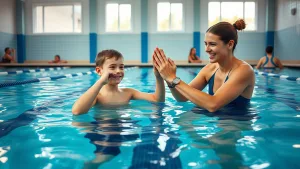
1. Acclimation — Getting comfortable with splashing, breathing, and being in the water.
2. Basic skills — Floating, submerging gently, kicking, and basic arm movements.
3. Controlled movement — Combining breathing with coordinated strokes and learning to glide.
4. Independence — Swimming short distances, treading water, and entering/exiting safely.
5. Mastery and exploration — Endurance swimming, strokes refinement, and aquatic games.
Consistent, short sessions with clear goals accelerate each stage. Frequent, positive exposure removes fear and replaces it with competence.
Physical-health benefits of consistent practice
— Improved cardiovascular health and lung capacity
— Balanced full-body muscle development — core, shoulders, legs
— Increased joint mobility with low-impact resistance
— Better posture and coordination
— Healthy weight management and metabolic benefits
A steady regimen (2–4 sessions weekly) yields clear gains in strength, stamina, and technique within months.
Practical weekly plan (example)
— Beginner (3 sessions/week, 30–40 minutes):
— Session 1: Water acclimation, floating, kicking drills
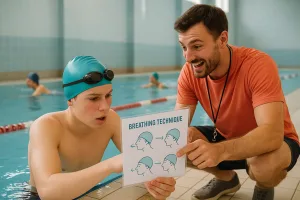
— Session 2: Breath control, simple glides, short assisted swims
— Session 3: Combining arms and legs, fun games for confidence
— Intermediate (3–4 sessions/week, 45–60 minutes):
— Technique drills (freestyle, backstroke basics)
— Endurance sets (short laps with rest)
— Skill work (turns, breathing rhythm)
— Advanced (4+ sessions/week, 60+ minutes):
— Stroke refinement, interval training, starts and turns
— Dryland strength and mobility work complementary to pool training
Adjust intensity based on age, fitness, and recovery needs.
Tips for parents and learners in Ufa
— Start early but go at the child’s pace — positive early experiences matter more than speed of progression.
— Prioritize consistency: short, regular lessons beat occasional long sessions.
— Watch for warm, well-maintained pools and certified instructors.
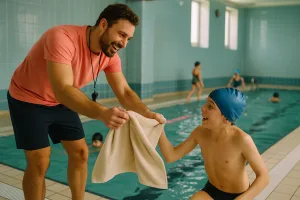
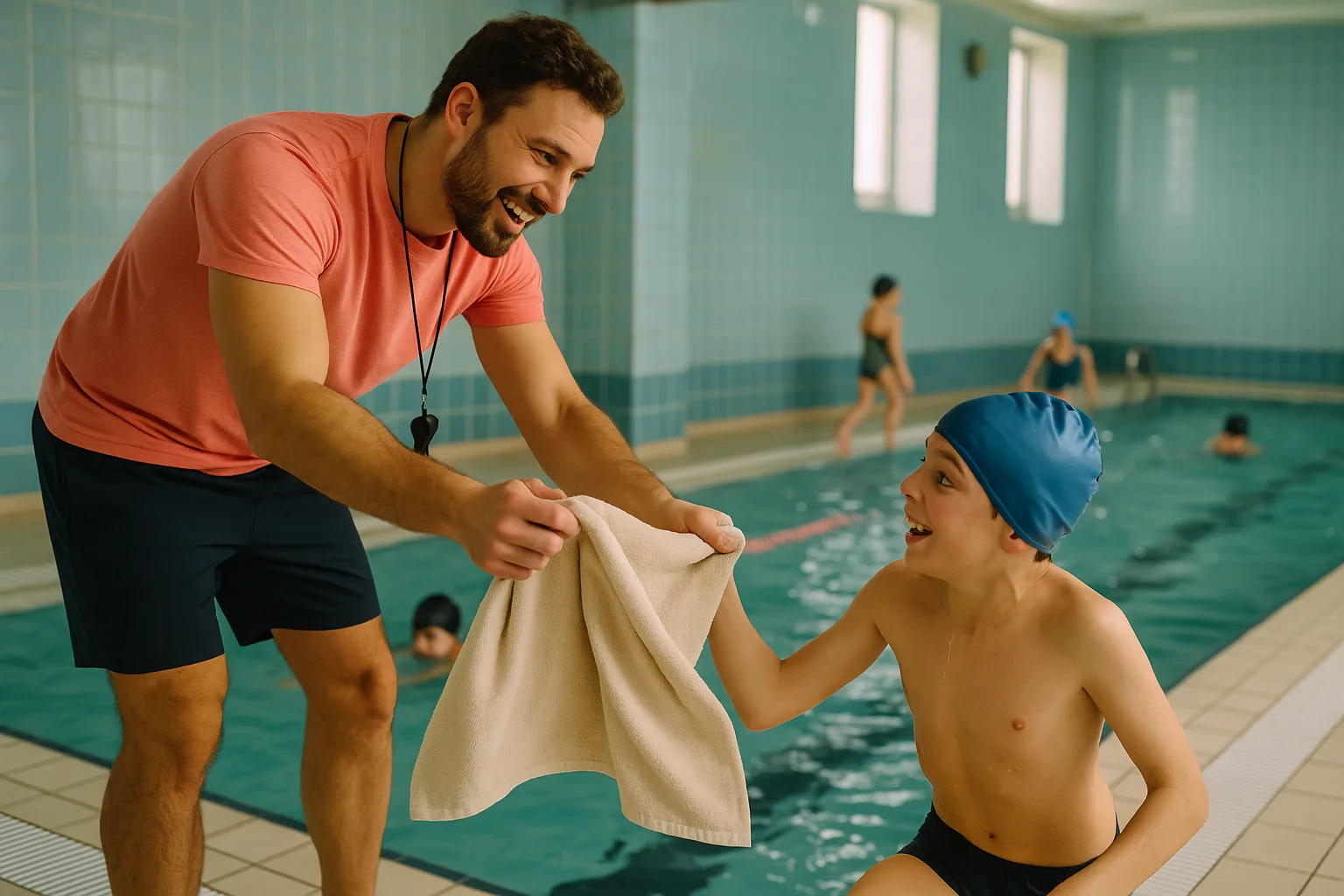
— Bring proper gear: well-fitting swimsuit, swim cap, goggles, and a towel.
— Reinforce practice outside lessons with playful water time (safely supervised).
— Encourage progress with specific, achievable goals (e.g., float unassisted, swim 10 m).
— Celebrate small wins to build intrinsic motivation.
Choosing the right swim program in Ufa
When evaluating schools, consider:
— Instructor qualifications and child-safety training
— Student-to-teacher ratio and grouping by ability
— Curriculum that balances water-safety, technique, and fun
— Clean, safe pool facilities with appropriate water temperature
— Transparent progress tracking and communication with parents
Visit several providers, observe lessons, and ask about trial sessions.
Safety and seasonal considerations
— Supervision is non-negotiable — never leave children unattended near water.
— Learn basic water rescue and CPR; many local communities offer courses.
— Outdoor swimming in summer requires attention to weather, currents, and designated safe areas.
— In winter, prioritize indoor pools with proper heating to maintain year-round consistency.
Local support and community
Ufa’s network of community pools, sports clubs, and municipal programs can provide opportunities for all ages. Look for community swim initiatives, master swim groups for adults, and family swim times to build a supportive environment around regular practice.
Conclusion
Consistent swimming education in Ufa offers an unbeatable combination of safety, health, and confidence. By choosing skilled instruction, committing to regular practice, and supporting learners with patience and positive reinforcement, families and individuals can enjoy lasting benefits — stronger bodies, calmer minds, and true water confidence that lasts a lifetime.
If you’re ready to get started, visit local pools, book trial lessons, and set a simple, consistent schedule. Small, steady steps in the water lead to big improvements on land.