Introduction
Swimming is more than a sport — it’s a life skill that builds water confidence, resilience, and whole-body health. In Ufa, with accessible indoor pools and a strong local interest in youth sports, regular swimming lessons can set children (and adults) on a path to safer, fitter and more confident lives. This article explains why consistency matters, how water confidence develops, and practical tips for finding and sustaining a program in Ufa.
Why swimming matters
— *Safety*: Learning to swim reduces drowning risk and improves comfort around water — important in a region with rivers, reservoirs and winter outdoor activities.
— *Whole-body fitness*: Swimming develops cardiovascular endurance, muscular strength, flexibility and coordination with low impact on joints.
— *Mental benefits*: Regular practice fosters focus, discipline, stress relief and confidence that transfers to other activities.
— *Lifelong accessibility*: Swimming is suitable for all ages and many levels of ability.
Water confidence: how it develops
Water confidence is a gradual, emotional and physical process, not a single lesson. Stages typically include:
— Getting comfortable with splashes and face in the water
— Learning breath control and floating
— Moving independently (kicking, arm strokes)
— Developing endurance and technique
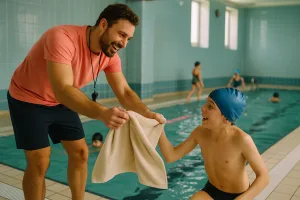
Each stage should be reinforced with repetition, positive feedback and playful challenges. Rushing a fearful child can set progress back; steady, reassuring practice produces reliable confidence.
The power of consistent practice
Consistency is the engine of improvement. Benefits of regular sessions (e.g., 2–3 times per week) include:
— Faster motor learning and muscle memory formation
— Improved cardiovascular conditioning and stamina
— Gradual desensitization to water-related fear
— Better retention of safety skills (e.g., floating, treading water)
Even short, frequent sessions beat long, sporadic ones when the goal is confidence and steady progress.
Practical tips for building confidence and skill
— Start with play: use games, toys, and songs to make water positive.
— Break skills into small steps: praise each micro-success.
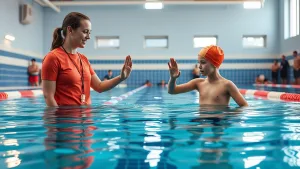
— Use demonstration: children imitate coaches or peers.
— Maintain routine: same days/times help children anticipate and prepare.
— Encourage self-efficacy: let the learner make small choices (which toy, which drill).
— Keep lessons short and focused for young learners — quality over quantity.
— Involve parents appropriately: watch and support, but let the instructor lead.
Sample weekly plan (children)
— 2 sessions/week — 30–40 minutes: focus on technique, breath control, floating.
— 1 short practice/day at home or in a small pool (5–10 min) — blowing bubbles, kicking.
— Monthly mini-assessment: record small wins and set a new skill goal.
Adjust frequency and duration for age and fitness: toddlers may need shorter, play-based sessions; older kids can handle longer workouts.
Choosing a quality program in Ufa
Look for programs that emphasize safety, progressive learning and motivation:
— Certified instructors with experience in child development or adaptive teaching.
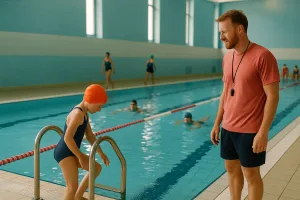
— Small group sizes or individual lessons for nervous beginners.
— Clean, heated pools suitable for children and year-round use.
— Clear curriculum and regular progress updates.
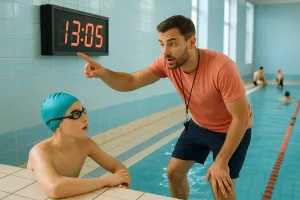
— Positive, encouraging teaching approach rather than pressure.
In Ufa, search municipal sports schools, private swim clubs, family aquatics centers and community pools. Ask for a trial lesson and observe how coaches interact with learners.
Safety and health considerations
— Ensure pools have certified lifeguards and first-aid protocols.
— Follow local public health guidelines on pool hygiene and vaccination recommendations if applicable.
— Use proper swimwear and consider goggles for comfort.
— For children under parental care, avoid prolonged exposure to cold after lessons and prioritize drying/warming.
— If a child has health issues, consult a pediatrician before starting a program.
Building a long-term habit
— Make swimming social: group lessons, family swim days, or club membership encourage attendance.
— Set realistic milestones and celebrate progress (medals, stickers, certificates).
— Combine swimming with complementary dryland exercises: balance, core strength and flexibility work.
— Rotate goals: water confidence, stroke technique, endurance, then fun events like swim games.
Conclusion — start small, stay steady
In Ufa, the infrastructure exists to make swimming part of a healthy routine year-round. The secret to transforming fear into confidence and casual visits into lasting fitness is simple: consistent, enjoyable practice guided by skilled instructors. Start with a trial session, choose a supportive program, and build momentum — one comfortable splash at a time.
— Ready to begin? Book a trial lesson at a local pool, ask about instructor qualifications and session frequency, and commit to a consistent schedule for the next 8–12 weeks to see real results.