Introduction
Swimming is more than a sport — it’s a life skill that builds confidence, supports lifelong physical health, and connects people to local waterways like the Belaya River. In Ufa’s climate, where winters are long and swimming opportunities concentrate in indoor facilities, *consistent practice* is the key to steady progress for babies, children, teens, and adults alike.
Why water confidence matters
— Reduces fear and anxiety around water, which improves safety.
— Encourages independence and willingness to try new skills.
— Makes lessons and training more productive — confident learners progress faster.
— Supports social development as swimmers join groups, teams, and recreational activities.
Physical health benefits of regular swimming
Swimming is a low-impact, full-body activity that benefits all ages:
— Improves cardiovascular endurance and circulation.
— Builds muscular strength and balanced muscle development.
— Enhances flexibility, coordination, and motor control.
— Supports healthy weight management and joint health.
— Improves lung capacity and breathing control.
How consistent practice produces results
Consistency converts short bursts of activity into real skill and fitness gains:
— Neural adaptation: repeated practice cements technique and timing.
— Muscular adaptation: regular sessions build strength and endurance gradually.
— Habit formation: routine training makes exercise part of daily life, increasing long-term adherence.
— Confidence loop: frequent, achievable successes further reduce fear and increase motivation.
Practical guidelines by age and level
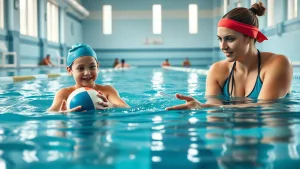
— Babies and toddlers (parent-and-child classes): 1–2 sessions per week to build comfort; focus on gentle acclimation and breath control.
— Young children (learn-to-swim beginners): 2–3 sessions per week to consolidate water skills, buoyancy, and basic strokes.
— School-age swimmers (skill development): 3–5 sessions per week, mixing technique, endurance, and games.
— Teens and adults (fitness and technique): 2–4 sessions per week; include interval work and technique drills.
— Advanced/competitive swimmers: structured training 5–6 times per week with strength and recovery sessions.
Tips to maximize progress in Ufa
— Choose an indoor pool with consistent water temperature for year-round practice — especially important during Ufa’s colder months.
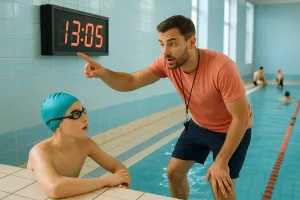
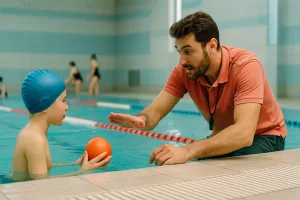
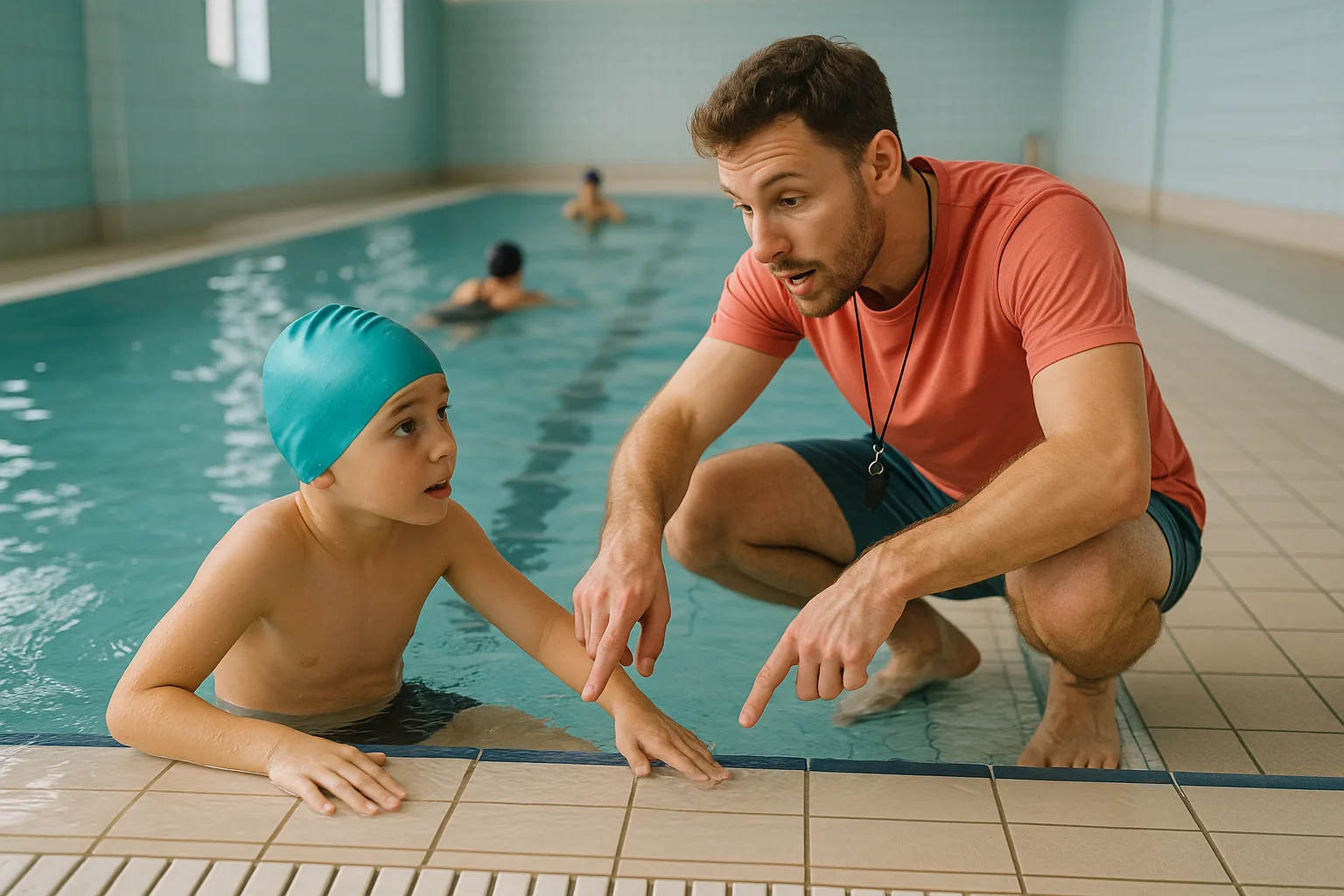
— Start with a qualified instructor who emphasizes safety, incremental goals, and positive reinforcement.
— Balance lessons with dryland exercises: mobility, core work, and light strength training improve stroke efficiency.
— Use short, frequent sessions when learning new skills; repetition in small doses reduces fatigue and reinforces technique.
— Track progress with clear milestones: breath control, buoyancy, basic stroke, lap swimming, and endurance targets.
Choosing the right program or instructor
Look for:
— Certified coaches and instructors experienced with your age group.
— Small group sizes or individualized attention for beginners and anxious swimmers.
— Clear safety protocols and emergency procedures.
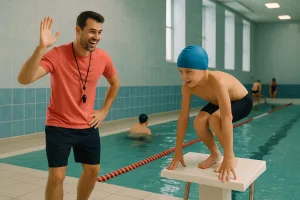
— Positive teaching style that encourages gradual exposure and celebrates small wins.
— Programs that offer progression plans and periodic assessments.
Local considerations for Ufa residents
— Indoor pools are the backbone of year-round training; ask facilities about water temperature, lane availability, and lesson schedules.
— The Belaya River and other local open-water spots can be used safely for seasonal, supervised swim practice — only after strong pool skills are developed and with lifeguard or coach supervision.
— Be mindful of seasonal pool crowding (school terms, holidays) and book lessons in advance.
— Check local swim schools for parent-and-child classes, therapeutic sessions, and adaptive programs if needed.
Safety and hygiene checklist
— Confirm instructors have first aid and CPR certification.
— Verify pool water quality and ventilation practices.
— Use appropriate swimwear, caps, and goggles to increase comfort and visibility.
— Never leave children unattended near water — practice active supervision always.
— Progress to open water only when swimmers demonstrate consistent ability in controlled environments.
Sample beginner weekly plan (children or adults)
— Monday: Technique-focused lesson (45–60 min) — drills for breathing and body position.
— Wednesday: Fun skills & endurance (45 min) — short laps with rest, buoyancy games for kids.
— Friday: Skill consolidation (45–60 min) — practice sequences and gentle interval repeats.
— Plus: 10–15 minutes of dryland mobility or core work twice a week.
Conclusion
In Ufa, where indoor facilities and seasonal open-water opportunities coexist, consistent practice is the most reliable path to water confidence and lasting physical health. Start with small, regular steps, choose a supportive instructor, and prioritize safety. Over weeks and months you’ll see improved technique, fitness, and — most importantly — a calm, confident relationship with the water.
If you want, I can suggest a checklist for evaluating local swim schools in Ufa or a 12-week beginner plan tailored to a specific age. Which would you prefer?