Introduction
Swimming is more than a sport—it’s a life skill that builds water confidence, improves physical health, and supports emotional wellbeing. In Ufa, where long winters make indoor pools a welcome refuge, consistent swim practice can be a year-round strategy for healthier families and stronger individuals. This article explains how steady, structured swimming develops water confidence and fitness, and offers practical plans and tips you can use locally.
Why consistency matters
— *Neuromuscular adaptation*: Repeating movements builds motor patterns—so strokes become efficient and automatic.
— *Progressive confidence*: Small, regular wins (floatation, glides, short swims) reduce fear faster than sporadic exposure.
— *Cardiovascular and musculoskeletal benefits*: Regular sessions improve endurance, strength, and joint health without high impact.
— *Habit formation*: Weekly routine turns lessons into lifestyle—helpful in colder climates like Ufa where motivation can dip in winter.
Water confidence: a staged approach
Building confidence is as much psychological as technical. Use a staged progression tailored to age and temperament.
1. Familiarization
— Get comfortable with water on the face and controlled breath-holds.
— Practice entry/exit, play with splashing, walk in shallow end.
2. Buoyancy and breath control
— Supported floating (back and front), blow bubbles, submerge briefly.
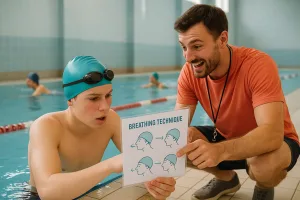
— Introduce rhythmic breathing drills at the wall.
3. Propulsion fundamentals
— Kick work with a board, basic arm pulls in assisted drills.
— Combine kicks and single-arm drills to feel forward motion.
4. Independent movement
— Glides, streamline push-offs, short unassisted swims.
— Introduce simple strokes (elementary backstroke, dog paddle, then front crawl).
5. Skill consolidation and endurance
— Increase distance and duration, refine technique and breathing, add turns and starts.
Physical health benefits of regular swimming
— Cardiovascular fitness: sustained aerobic work improves heart and lung function.
— Low-impact strength: resistance of water builds muscle without joint stress—valuable for all ages.
— Flexibility and posture: full-range movements open shoulders and improve core stability.
— Weight management and metabolic health: regular strokes burn calories and regulate metabolism.
— Mental health: reduced stress, improved mood, and better sleep—helpful during Ufa’s darker months.
Practical weekly plan (beginner to intermediate)
— Frequency: 2–3 lessons or swim sessions per week for beginners; 3–5 for faster progress.
— Session length: 30–45 minutes for beginners, 45–75 minutes as fitness improves.
Sample 3-day week (beginner):
— Day 1 — Technique focus: warm-up (5–10 min easy swim), breathwork & kicks (15 min), short stroke drills (10 min), cool-down (5–10 min).
— Day 2 — Confidence & play: games, floating practice, assisted glides, submersion practice (30–40 min).
— Day 3 — Endurance & skills: warm-up, interval swims (6–8 x 25 m with rest), practice turns/entries, cool-down.
12-week progression outline
— Weeks 1–4: Water comfort + basic propulsion. Focus on consistency and short sessions.
— Weeks 5–8: Combine skills into short continuous swims, introduce breathing patterns and simple strokes.
— Weeks 9–12: Build distance and technique refinement; add interval training and basic drills for speed and endurance.
Track progress with simple metrics: distance swum per session, ability to float unsupported for X seconds, number of unassisted 25 m swims, and perceived effort.
Safety and facility considerations in Ufa
— Choose heated indoor pools during cold months; consistent temperature supports learning and reduces illness risk.
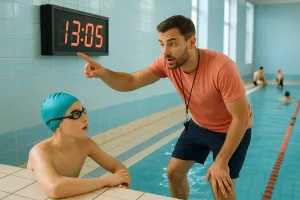
— Look for certified instructors (experience with child development or adults depending on your group).
— Small group sizes or one-on-one lessons accelerate confidence and technique.
— Ensure lifeguards are on duty and that the pool follows sanitation and safety standards.
— Winter travel: plan for reliable transport to and from pools—avoid long exposure to cold right after swimming.
What to bring and prepare
— Proper swimsuit and swim cap (helps with hair and hygiene).
— Goggles (important for comfort and confidence underwater).
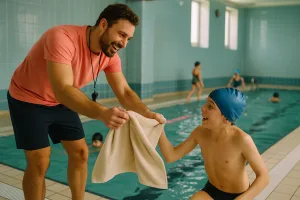
— Towel and warm clothing for post-swim.
— Swim aids for early stages: kickboard, pull buoy, float vest (used under instructor guidance).
— Hydration and a light snack if training intensively.
Tips for parents and adult learners
— Be patient: small, consistent steps beat intensive but infrequent sessions.
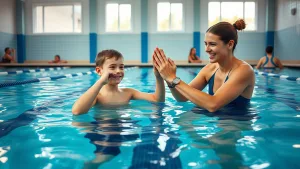
— Celebrate milestones: first unassisted float, first 25 m—acknowledgment builds confidence.
— Modeling matters: parents who swim regularly encourage kids to see it as normal and fun.
— Use dryland practice: basic core and shoulder mobility exercises at home accelerate in-water progress.
— Consider mixed-group or family sessions to make practice social and enjoyable during Ufa’s long winters.
Finding the right program in Ufa
— Start with a trial lesson to evaluate instructor approach, pool environment, and group size.
— Ask about instructor certifications, child-to-teacher ratios, and progression plans.
— Check reviews and community recommendations (local parenting groups, sports clubs, or medical teams).
— Consider programs that offer year-round membership—consistency is the key benefit.
Measuring success
Focus on improvements in:
— Comfort: reduced fear, willingness to submerge, independent floating.
— Independence: swimming short distances without aid.
— Technique: more efficient kicks, arm coordination, controlled breathing.
— Fitness: greater stamina, faster recovery, improved posture.
Conclusion
In Ufa, regular swimming practice—especially in heated, well-run indoor pools—can transform water fear into confidence and build durable physical health. The most important factor is consistency: short, frequent, well-designed sessions will deliver the best results. Start with a trial lesson, choose a qualified instructor, and commit to a weekly routine. Over weeks and months, you’ll see gains in skill, fitness, and confidence that last a lifetime.
If you’d like, I can draft a personalized 8- or 12-week practice plan for a child or adult based on age, current ability, and goals. Which would you prefer?