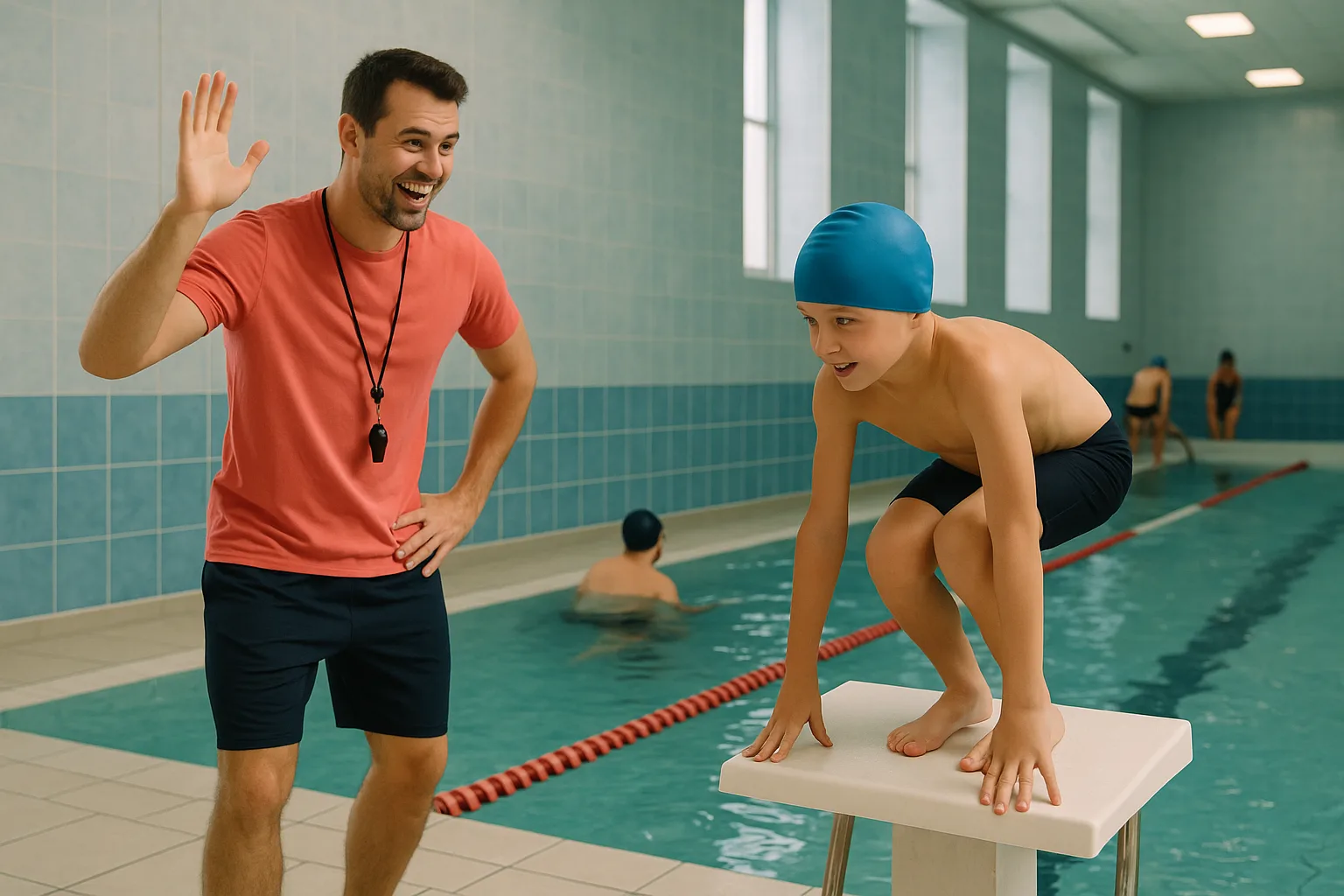
Swimming Education and Water Confidence in Ufa: Building Health Through Consistent Practice
Swimming is more than a sport — in Ufa’s long winters and community-focused neighborhoods, it’s a lifeline to better physical health, social development, and lasting water confidence. With the right approach and consistent practice, children and adults alike can transform fear into skill and casual exercise into lifelong fitness.
Why swimming matters in Ufa
— Ufa’s climate encourages indoor activities; regular pool sessions provide year-round cardiovascular exercise.
— Swimming develops full-body strength, coordination, and respiratory health with low joint impact — ideal for growing bodies and adults seeking sustainable fitness.
— Water skills increase safety and independence around local reservoirs and family outings.
— Group lessons create community ties and boost social and emotional development.
Core benefits of consistent practice
— Improved cardiovascular endurance and lung capacity
— Balanced muscle development, posture and flexibility
— Better motor skills, balance, and coordination in children
— Reduced injury risk through low-impact conditioning
— Increased confidence, self-discipline and stress relief
— Faster skill acquisition and retention compared to irregular practice
Stages of learning and recommended frequency
— Infants (3–18 months): water familiarization, parent-led sessions. Frequency: 1–2 short sessions/week (20–30 min). Focus on playful acclimation, breathing basics, and gentle submersion games.
— Toddlers (2–4 years): basic water confidence, independent floating with support, taught by instructor. Frequency: 1–2 sessions/week (30 min). Focus on routines and simple skills.
— Preschool & early school-age (5–8 years): technique introduction (floating, glides, kicking, breathing). Frequency: 2 sessions/week (30–45 min). Consistency builds coordination and reduces fear.
— School-age & teens (9+): stroke development, endurance, and safety skills (treading water, underwater recovery). Frequency: 2–4 sessions/week (45–60 min) depending on goals (recreational vs competitive).
— Adults & seniors: technique, mobility, and fitness. Frequency: 2–3 sessions/week (30–60 min). Focus on enjoyment, posture, and customized goals.
Practical progression for building water confidence
1. Establish routine: same days/times to form habit.
2. Play before drills: games reduce anxiety and build trust.
3. Breathing control: blowing bubbles, exhaling underwater, rhythmic inhale/exhale.
4. Supported floating and back glides: learn to relax in the water.
5. Assisted movement: hand‑held kicks and short glides with coach support.
6. Independent short swims: incremental distances with rest.
7. Safety skills: treading water, roll to back, exit strategies.
8. Reinforcement: fun challenges, small rewards, and regular review.
Sample weekly plan (school-age beginner)
— Monday: Technique drills — kicking and glides (30–40 min)
— Wednesday: Breath control and short continuous swims (30–40 min)
— Saturday: Mixed session — games + skill practice (45–60 min)
— At-home reinforcement: 10–15 minutes of mobility and dryland core exercises twice a week
Tips for parents and learners in Ufa
— Choose consistency over intensity: two steady sessions weekly outperforms sporadic long classes.
— Start with a trial lesson to assess teacher style and pool atmosphere.
— Look for small group sizes and instructors trained in child development or adult learn-to-swim methods.
— Track progress with simple, measurable milestones (float X seconds, swim Y meters unassisted).
— Keep lessons playful for younger children and set clear, achievable goals for older learners.
— Be patient: setbacks are normal; celebrate small wins to maintain motivation.
How to choose a swimming school or pool in Ufa
Evaluate facilities and programs by asking:
— Are instructors certified (first aid, child-safe teaching, aquatic qualifications)?
— What is the instructor-to-student ratio? Smaller groups = more attention.
— Is there clear communication about progress and goals?
— Are pools heated and well-maintained (important in Ufa winters)?
— Do they offer trial classes, flexible schedules, and family-friendly sessions?
Search suggestions in Russian to find local options: «школа плавания Уфа», «детская школа плавания Уфа», «бассейн Уфа детские занятия».
Safety essentials
— Always ensure a qualified lifeguard or instructor is present.
— Warm up and cool down to prevent cramps and stiffness.
— Avoid heavy meals directly before swimming and stay hydrated.
— If a swimmer is ill or unusually tired, rest and reschedule practice.
— Teach pool-entry/exit points and local water safety rules to children.
Keeping motivation and making practice stick
— Make sessions social: join family swims or parent-child lessons.
— Vary activities: drills, games, and short challenges to keep interest high.
— Use a practice log or sticker chart for younger children.
— Set short-term targets (two-week streaks) and reward consistency.
— Connect with local clubs in Ufa for group morale and potential competitions.
Local context and next steps
Ufa has community pools and sports centers that cater to families and adults year-round. If you’re ready to start or step up your practice:
— Book a trial lesson at a nearby pool.
— Ask about progressive programs that emphasize safety and confidence before advanced technique.
— Join local parent groups or online communities to share experiences and recommendations.
Consistent, well-structured practice makes water confidence and improved physical health inevitable. Start with small, regular steps — in Ufa’s supportive facilities, those steps quickly become a habit and a lifelong asset.