Introduction
Swimming is more than a life skill—especially in Ufa, where cold winters and a strong local culture of sports make year‑round, indoor aquatic practice ideal. With consistent practice, swimmers of all ages develop water confidence, better cardiovascular fitness, muscular endurance, coordination and stress relief. This article explains why consistency matters, how to structure practice in Ufa’s environment, and practical steps for parents and adults to get measurable results.
Why consistency matters
— *Neuromuscular learning*: repeated, frequent practice reinforces stroke mechanics and breathing patterns so skills become automatic.
— *Psychological confidence*: gradual exposure reduces fear and builds trust in one’s abilities and the water environment.
— *Health gains accumulate*: regular swims improve VO2 max, joint mobility and posture; benefits increase with sustained training rather than occasional sessions.
— *Habit formation*: practicing 2–3 times per week turns swimming from a sporadic activity into a lifelong habit.
Benefits specific to Ufa residents
— Indoor pools provide a year‑round training option despite cold winters.
— Swimming is low impact, ideal for people recovering from injuries or managing joint issues in a region with seasonal physical strain.
— Group classes and local sports clubs in Ufa foster community motivation and accountability.
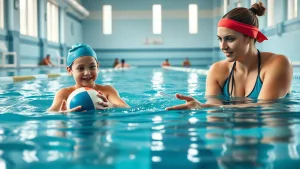
— Regular swimming can help children who spend more time indoors during winter stay active and develop motor skills.
How water confidence develops (practical stages)
1. Acclimatization: comfortable breathing and face‑in‑water exercises at shallow depth.
2. Buoyancy control: floating on front and back, balance and streamline drills.
3. Basic propulsion: kicking and arm movements separated then combined.
4. Coordinated swimming: integrating breathing, kicking and strokes across short distances.
5. Open practice: longer laps, turns, and basic endurance sets while maintaining calm.
Progress through these stages gradually—rushing increases fear and injury risk.
Recommended frequency and session length
— Children beginners: 2 sessions/week, 30–45 minutes.
— Children progressing: 2–3 sessions/week, 45–60 minutes.
— Adults beginners: 2 sessions/week, 30–45 minutes.
— Adults improving fitness: 3 sessions/week, 45–60 minutes.
Even short, frequent sessions beat long, infrequent ones for motor learning and confidence.
Sample 12‑week progressive plan (general)
Weeks 1–4 (Foundations)
— Focus: comfort, breathing, floating.
— Sessions: 2×/week, 30–40 minutes.
— Drills: blowing bubbles, assisted floats, kickboard kicks, 10–15 m assisted glides.
Weeks 5–8 (Technique and short endurance)
— Focus: coordinated strokes, introduce lap work.
— Sessions: 2–3×/week, 40–50 minutes.
— Drills: alternating arms drill, side breathing practice, 4×25 m with rest, turns basics.
Weeks 9–12 (Build confidence and fitness)
— Focus: continuous swimming, pacing, confidence in deeper water.
— Sessions: 3×/week, 45–60 minutes.
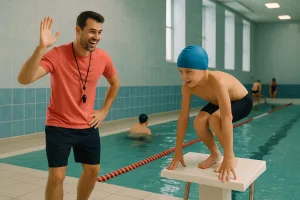
— Drills: interval sets (e.g., 6×50 m), mixed stroke practice, starts and simple turns, independent floating and treading water.
Safety and facility tips for Ufa
— Choose heated, certified indoor pools during autumn/winter to maintain comfort and avoid abrupt temperature changes.
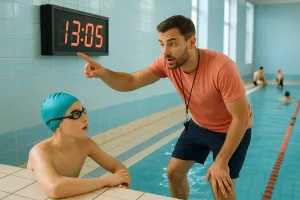
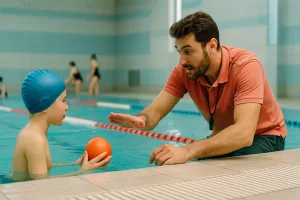
— Verify that classes use qualified instructors and that lifeguards are on duty. Ask about instructor certifications and group sizes—smaller groups are safer and more effective.
— Use appropriate swim gear: properly fitted goggles, swim cap, and for beginners a floatation aid approved by the facility.
— Teach and practice pool rules: no running, enter shallow end first for novices, always swim in supervised times for children.
— For cold months, warm up properly before entering and dry/heat up after sessions to avoid catching colds.
Tips for parents and adult learners
— Set short, specific goals: “float for 30 seconds unassisted” or “swim 25 m continuously.” Celebrate progress.
— Keep a simple log: date, duration, drills practiced, notes on fears or breakthroughs. This increases motivation and shows measurable progress.
— Use video occasionally to analyze technique—seeing yourself helps accelerate improvement.
— Encourage independence gradually—reduce support as confidence grows, but always maintain supervision for children.
— Join a group or club to increase accountability; many Ufa pools offer family classes or adult masters sessions.
Measuring progress
— Water confidence: ability to submerge face, float 10+ seconds, enter deep water without panic.
— Technical: smooth exhalation to inhale rhythm, consistent side breathing, streamlined body position.
— Fitness: distance or repetition improvements (e.g., moving from 4×25 m to 6×50 m with same rest).
— Behavioral: reduced reliance on floatation aids and increased session enjoyment.
Finding programs in Ufa
— Check municipal sports centers and private swim schools offering progressive courses.
— Look for programs labeled “children’s water confidence,” “adult beginners,” or “masters swimming.”
— Ask for trial lessons to evaluate instructor approach and facility comfort before committing.
Final advice
Consistency is the single most powerful factor in turning fear into confidence and building lasting health benefits. Aim for regular, achievable sessions, track small wins, and choose a safe, supervised environment in Ufa. With steady practice, swimmers—children and adults alike—gain water confidence, better fitness and a rewarding lifelong activity.
*Ready to start? Schedule a trial lesson at your nearest indoor pool, set a 12‑week target, and make swimming a regular habit.*