Introduction
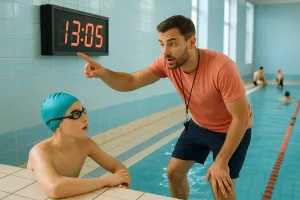
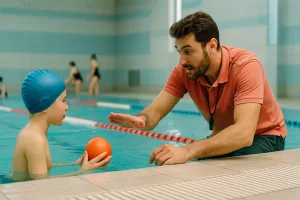
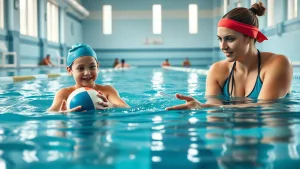
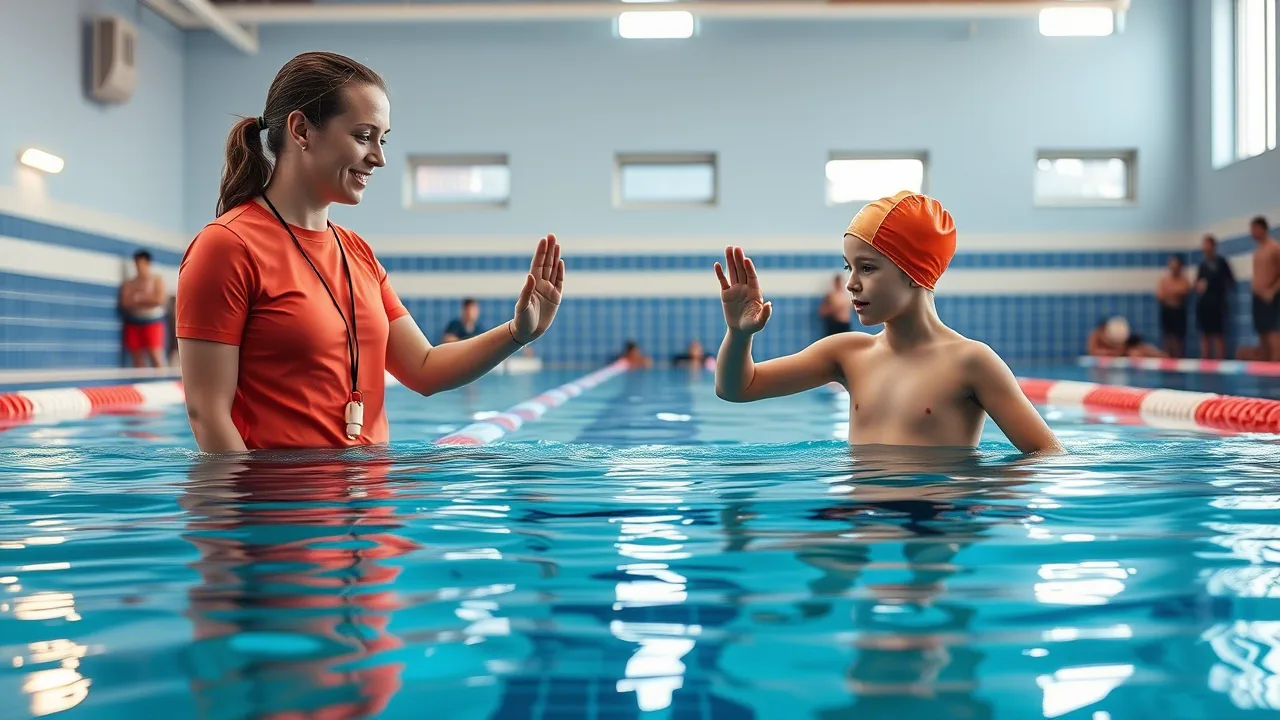
Swimming is more than a life skill—it’s a pathway to lifelong health, resilience, and confidence. In Ufa, where long winters and an engaged community make indoor aquatic programs vital, a structured, consistent approach to swimming education builds both water confidence and measurable physical benefits for children and adults alike.
Why swimming matters
— *Water confidence*: Familiarity with water reduces fear, prevents panic, and empowers children to enjoy aquatic activities safely.
— *Physical health*: Swimming develops cardiovascular fitness, muscular strength, flexibility, and coordination with low impact on joints.
— *Cognitive and emotional benefits*: Regular lessons promote focus, discipline, social skills, and stress relief.
— *Lifelong skill*: Once learned, swimming supports recreation, sport and safety across all ages.
Ufa context: why a steady program suits our city
— Climate: Indoor pools enable year-round training through long winters.
— Community resources: Municipal pools and sports centers in Ufa offer programs for families, schools and clubs—ideal for building consistent attendance.
— Cultural fit: Local interest in organized youth sports and community health initiatives supports regular lesson schedules and group practice.
Core principles of effective swimming education
— Consistency over intensity: Frequent, shorter sessions (2–4 times weekly) yield better skill retention than sporadic long sessions.
— Progressive skill building: Move from water comfort → breathing control → basic strokes → endurance and technique.
— Fun and variety: Play-based drills and games keep motivation high, especially for children.
— Qualified coaching: Instructors trained in child development and safety accelerate progress and prevent bad habits.
— Safety first: Lifeguarded pools, clear rules, and age-appropriate equipment are essential.
A practical development pathway
Beginner (water confidence)
— Goals: Enter/exit pool, submerge face, float independently, basic kick and streamline.
— Focus: Repetition of comfort-building exercises, short breath-control games, and instructor-led guidance.
Intermediate (technical introduction)
— Goals: Consistent front crawl and backstroke, rhythmic breathing, basic turns, 15–25 m continuous swimming.
— Focus: Technique drills, interval practice, introduction to backstroke and breaststroke elements.
Advanced (endurance and refinement)
— Goals: Efficient stroke mechanics, sustained 400–800 m sets, competitive starts/turns for interested swimmers.
— Focus: Training plans that combine endurance, speed work and stroke correction.
Sample weekly practice plan
— Toddlers (3–5): 2 × 30 minutes — playful water confidence classes, parent in water.
— Kids (6–12): 3 × 45–60 minutes — two technique sessions + one endurance/game day.
— Teens/Adults: 3–4 × 45–75 minutes — mix of technique, interval training, and longer aerobic sessions.
Practical tips for parents and learners in Ufa
— Start early but gently: Introduce water while respecting each child’s comfort level.
— Keep sessions regular: Mark lessons on a calendar to make practice a habit.
— Reinforce at home: Simple bath-time games or dryland balance and breathing exercises help progress.
— Celebrate small wins: A new breath pattern or an extra 5 meters is progress—acknowledge it.
— Health checks: Seek medical clearance if there are respiratory, cardiac, or other chronic conditions.
Choosing the right pool and coach in Ufa
Look for:
— Warm, well-maintained indoor pools with lifeguards.
— Certified instructors experienced with the age group and teaching method.
— Small group sizes or semi-private lessons for faster skill acquisition.
— Clear safety policies, transparent pricing, and a progressive curriculum.
— Opportunities for year-round practice: seasonal closures disrupt momentum.
Measuring progress and realistic timelines
— Early comfort (face in water, floating): weeks to a few months with regular lessons.
— Basic strokes and endurance (25–200 m): 3–9 months depending on age and frequency.
— Refined technique and competitive readiness: 9–24 months plus consistent training.
Progress varies—consistency, quality coaching and practice frequency are the biggest factors.
Final note: making swimming part of Ufa’s healthy lifestyle
In Ufa, swimming programs that emphasize consistent practice, positive reinforcement, and skilled instruction turn nervous first-timers into confident swimmers and healthier citizens. If you’re looking to get started or to upgrade your child’s lessons, visit your local sports complex or community pool to compare programs, trial a lesson, and make a plan that fits your schedule. With steady practice, water confidence and lasting physical benefits follow.